 11
11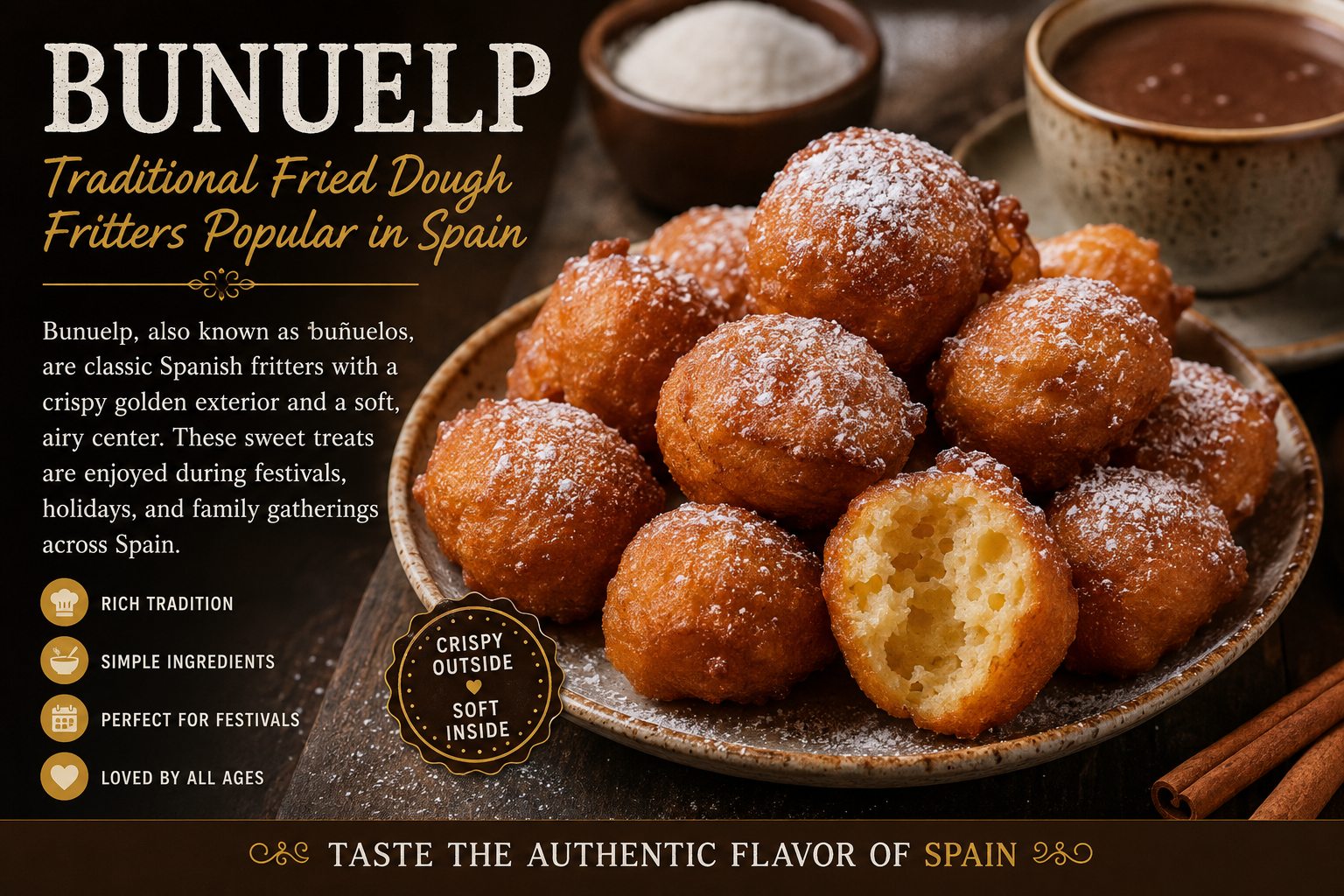
Bunuelp is a term many people use when searching for traditional Spanish fried dough fritters. In most recipes, the correct name is buñuelos, but the keyword bunuelp has become common in online searches. These sweet treats are famous for their crispy outside and soft inside. They are simple to make and have been enjoyed by families for hundreds of years. Their rich history and delicious taste make them one of Spain’s most loved desserts.
Bunuelp refers to a traditional fried pastry that is light, fluffy, and golden brown after frying. The dough is usually made with flour, eggs, butter, milk, and a small amount of baking powder or yeast. Small portions of dough are dropped into hot oil until they puff up beautifully. After frying, they are often covered with powdered sugar or cinnamon sugar. They are served warm and are enjoyed by people of all ages.
The story of bunuelp goes back many centuries in Spanish history. Historians believe these fried pastries were influenced by recipes brought to Spain during the medieval period. Over time, Spanish families created their own versions using local ingredients and cooking methods. Every generation passed the recipe to the next, keeping the tradition alive. Today, bunuelp remains a symbol of family gatherings and cultural celebrations.
The ingredients needed to prepare bunuelp are simple and easy to find. Flour forms the base of the dough, while eggs help create a soft texture. Butter adds richness, and milk or water gives the dough the right consistency. A little baking powder or yeast makes the fritters light and airy during frying. Finally, sugar, cinnamon, or honey gives the finished dessert its sweet flavor.
Making bunuelp starts with mixing the ingredients into a smooth and soft dough. The dough is allowed to rest for a short time so it becomes easier to handle. Small spoonfuls are carefully dropped into hot vegetable oil until they turn golden brown. The fried pastries are removed and placed on paper towels to remove extra oil. They are then dusted with powdered sugar before serving.
Many regions in Spain prepare bunuelp in their own unique style. Some versions are plain and lightly sweetened, while others are filled with vanilla cream or chocolate. There are also recipes filled with whipped cream, fruit jam, or custard. During festivals, special versions may include citrus zest or anise for extra flavor. These regional differences make bunuelp even more interesting to explore.
Bunuelp is closely connected with many Spanish celebrations throughout the year. Families often prepare these sweet fritters during All Saints’ Day and Christmas. Local fairs and community festivals also feature freshly fried bunuelp at food stalls. The smell of warm dough and sugar fills the streets during these events. Sharing bunuelp brings families and friends together while keeping old traditions alive.
Although bunuelp comes from Spain, its popularity has spread across many countries. Travelers enjoy tasting this classic dessert when visiting Spanish cities and villages. Home cooks also prepare the recipe because it uses affordable and common ingredients. Social media and food blogs have introduced bunuelp to new audiences worldwide. As a result, more people continue to discover its delicious taste every year.
Good ingredients play an important role in creating soft and fluffy bunuelp. Always heat the oil to the correct temperature before frying the dough. If the oil is too cool, the fritters absorb too much oil and become heavy. Fry only a few pieces at a time so they cook evenly on every side. Dust them with sugar while they are still warm for the best flavor.
Fresh bunuelp tastes wonderful when served with hot chocolate or freshly brewed coffee. Some people drizzle warm honey over the fritters for extra sweetness. Others enjoy adding chocolate sauce, caramel, or fruit preserves on the side. Fresh berries and whipped cream also make a beautiful presentation. These serving ideas turn a simple dessert into a special treat for any occasion.
Like many fried desserts, bunuelp should be enjoyed in moderation as part of a balanced diet. The pastries provide energy because they contain carbohydrates, fats, and a small amount of protein. Using fresh oil and quality ingredients helps improve the final result. Some home cooks prepare smaller portions to reduce calorie intake. Enjoying bunuelp occasionally allows you to experience its traditional flavor without overindulging.
Many beginners make the mistake of frying bunuelp in oil that is too hot. Extremely hot oil can brown the outside before the inside cooks properly. Another common mistake is making the dough too thick or too thin. Measuring ingredients carefully helps achieve the perfect texture every time. Following the recipe closely produces soft, light, and delicious fritters.
Bunuelp is often compared with doughnuts because both are fried treats. However, bunuelp usually has a lighter texture and a simpler recipe. It is also different from churros because the dough and cooking style are not the same. Italian zeppole and French beignets share some similarities, yet each dessert has its own unique flavor and history. Trying all of them shows how different cultures enjoy fried pastries.
Yes, making bunuelp at home is easier than many people think. Most ingredients are already available in a typical kitchen pantry. Even beginner cooks can prepare the recipe by following simple step-by-step instructions. Homemade bunuelp allows you to adjust the sweetness and choose your favorite toppings. Preparing them with family members also creates fun memories in the kitchen.
Bunuelp is more than just a delicious fried dessert because it also represents Spanish tradition and family culture. Its crispy outside, soft center, and sweet finish make it a favorite for many people around the world. Whether you enjoy it during a festival or prepare it at home, every bite offers comfort and joy. The recipe is simple enough for beginners while still impressing experienced cooks. If you love classic desserts, bunuelp is definitely worth trying.
Yes. Bunuelp is often used as a search term, while buñuelos is the traditional Spanish spelling.
Most Spanish versions are sweet, although some regions also prepare savory variations.
Yes. Popular fillings include pastry cream, chocolate, whipped cream, and fruit jam.
Hot chocolate, coffee, tea, or warm milk are excellent choices.
Yes. Store them in an airtight container for up to two days and warm them slightly before serving.