 11
11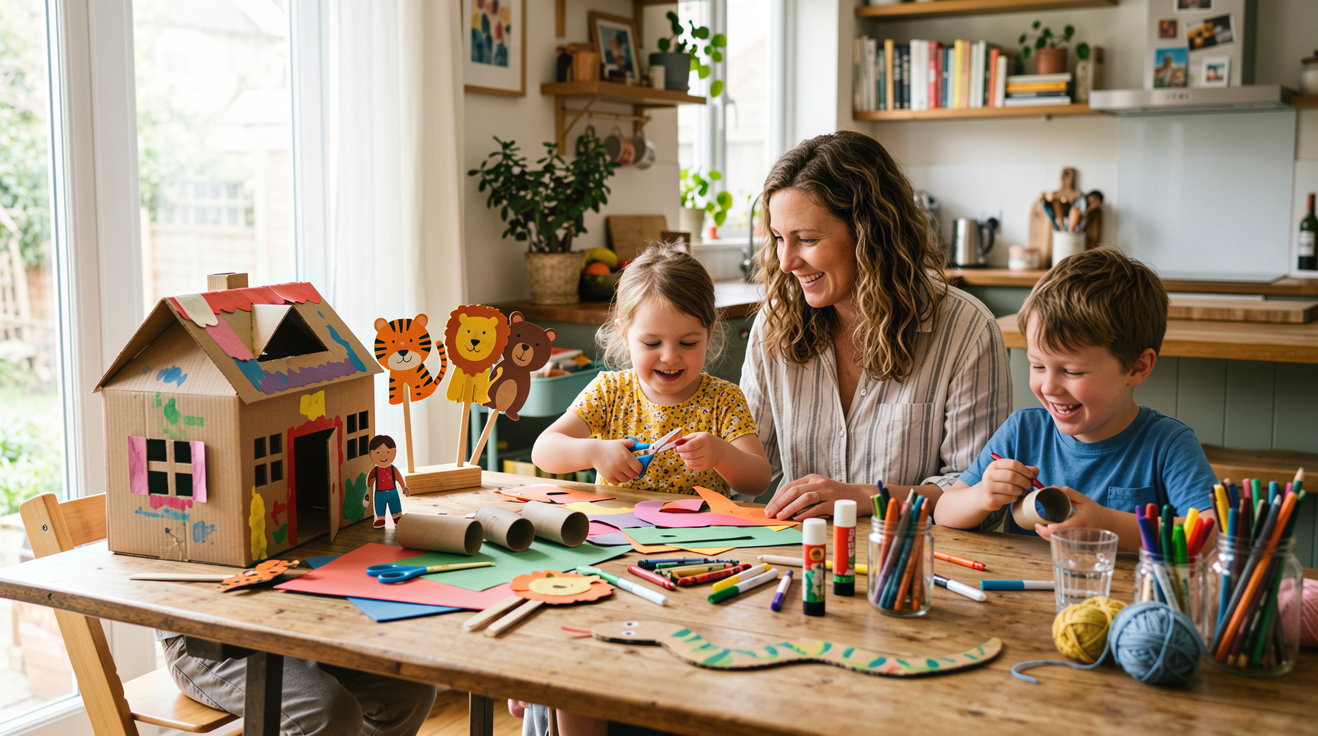
Inventive LWMFCrafts is a creative approach to family activities that brings together simple DIY crafts, imaginative play, and hands-on learning. The idea is straightforward: give kids accessible materials, a little guidance, and plenty of room to create something in their own way.
Crafting does not need to mean buying expensive kits or following complicated instructions. A cardboard box, paper, glue, crayons, fabric scraps, or a few recycled household items can become the starting point for hours of creative play. That is what makes this type of crafting appealing for both children and parents.
Inventive LWMFCrafts can be understood as a collection or style of creative activities that combines easy crafts with playful exploration for children and families. Instead of focusing only on making a finished object, these activities encourage children to experiment, imagine, build, decorate, and play with what they create.
The best projects leave room for personal choices. A child might turn a paper plate into an animal, transform a cardboard box into a pretend house, or create a homemade game using simple materials. There is no need for every project to look perfect.
Hands-on crafting gives children an opportunity to learn through doing. When they cut paper, arrange shapes, mix colors, build structures, or glue pieces together, they are practicing coordination while also making creative decisions.
There is also something satisfying about making an object with your own hands. Children can see an idea move from their imagination into something they can touch and use. That small sense of accomplishment can make creative activities much more meaningful than simply watching another person make something.
Crafting becomes even more enjoyable when parents, siblings, grandparents, or caregivers join in. Family members can work on one large project together or make their own versions of the same idea.
The important part is not producing identical crafts. One child may want bright colors while another prefers simple shapes. Adults can provide materials and encouragement without taking over the project. That balance gives children independence while keeping the activity social.
Paper is one of the easiest materials for children’s crafts because it is inexpensive, lightweight, and easy to transform. Children can fold it into simple animals, create paper characters, make colorful garlands, or design their own imaginary creatures.
A particularly fun idea is to create a small paper world. Kids can draw houses, trees, roads, animals, and characters on separate pieces of paper and then arrange everything into their own little scene. Once it is finished, the craft becomes a toy that can be used for storytelling.
Empty cardboard boxes are surprisingly useful for creative family projects. A larger box can become a pretend shop, castle, rocket, puppet theater, or miniature home. Smaller pieces can be turned into signs, furniture, vehicles, or decorations.
This type of activity is valuable because the child helps decide what the box will become. There is no single correct result. A box that looks like a spaceship to one child may become a dinosaur cave to another.
Inventive LWMFCrafts can also make good use of everyday items that might otherwise be thrown away. Clean cardboard tubes, cereal boxes, paper packaging, bottle caps, and leftover paper can all become craft materials when used safely.
For example, children can turn cardboard tubes into little characters by adding paper faces, yarn hair, and drawn clothing. A cereal box can become a simple storage box or pretend television. These projects can also introduce children to the idea that ordinary objects can have a second creative purpose.
Outdoor walks can provide inspiration for simple crafts. Fallen leaves, small twigs, smooth stones, and other safe natural materials can be used for supervised creative projects.
Children might arrange leaves into pictures, decorate stones with simple patterns, or create a miniature nature scene. Natural materials have their own shapes and textures, which can encourage children to think differently about design.
Making puppets is a great way to combine crafting with imaginative play. A simple paper bag, sock, or cardboard shape can become a character with a little drawing, cutting, and decorating.
Once the puppets are ready, children can invent a story around them. They might create a family of animals, stage a funny conversation, or perform a short adventure for everyone at home. The craft becomes more than decoration because it gives children a reason to continue playing after the making stage is finished.
Not every craft needs to sit on a shelf. Some of the most enjoyable projects become games that the whole family can play.
Children can help create a homemade matching game, simple board game, paper target game, or colorful sorting activity. Making the game is part of the fun, while playing it afterward adds another layer of interaction.
Imaginative play allows children to explore ideas through pretend situations. A homemade crown can become part of a royal adventure, while a cardboard steering wheel can turn a living room into a pretend car.
The craft itself does not have to be elaborate. Sometimes a simple prop gives children exactly what they need to start inventing their own story. This is one reason open-ended crafts can be more engaging than projects where every child is expected to produce exactly the same result.
Younger children usually benefit from activities with fewer steps and larger materials. Tearing paper, sticking large shapes, stamping patterns, coloring, and arranging objects can all provide creative opportunities without requiring complicated instructions.
Adults should choose materials appropriate for the child’s age and supervise activities involving scissors, small pieces, adhesives, or other materials that may present a safety concern. The goal is to make crafting enjoyable rather than frustrating.
Older children can handle projects that involve more planning and decision-making. They might design their own paper characters, construct a cardboard model, create a miniature room, or invent a game with their own rules.
Giving older kids control over the design can make the activity more rewarding. Instead of saying exactly what to make, parents can offer a challenge such as, “Can you build something that moves?” or “Can you create a game for three people?”
One of the easiest ways to make family crafting practical is to keep a small supply of basic materials available. Paper, crayons, washable markers, child-appropriate scissors, glue, cardboard, yarn, and recyclable packaging can cover a surprising number of projects.
It also helps to accept a little mess. Crafting is a hands-on activity, and children are naturally going to spill, cut, draw, and experiment. Covering the work surface with old paper or a reusable mat can make cleanup much easier.
Parents sometimes feel tempted to correct a child’s craft when it does not look like the example. That can unintentionally turn a creative activity into a test.
A better approach is to ask questions about the child’s idea. “What does your character do?” or “How did you decide on that color?” invites conversation without suggesting that there is a right way to create it.
One of the simplest ways to extend a craft is to add a story. After making a character, ask the child where the character lives, what they like doing, or what adventure they are about to have.
This turns a short craft session into a larger imaginative activity. Children can draw a setting, make extra characters, and even create simple props for the story as it develops.
Seasonal activities can give children an easy reason to start creating. In spring, they might make paper flowers or colorful garden scenes. Summer can inspire ocean animals, sun-themed artwork, and pretend travel projects.
Autumn offers opportunities for leaf art and warm-toned decorations, while winter can bring paper snowflakes, homemade ornaments, and cozy storytelling crafts. The same basic materials can be adapted throughout the year.
Crafts can also work well as simple activities at children’s parties. Instead of giving every child an identical finished item, set up a small crafting station where guests can decorate masks, make paper crowns, design characters, or create colorful cards.
A project that takes around 15 to 30 minutes can give children something fun to do while also creating a keepsake they can take home.
Rainy days often leave children looking for something to do indoors. This is where a small collection of DIY ideas can be useful.
A cardboard city, homemade puppet show, paper animal collection, or indoor treasure hunt can turn an ordinary afternoon into an imaginative adventure. The best rainy-day crafts are simple enough to begin quickly without requiring a long shopping list.
Creativity grows when children feel comfortable trying things that might not work. A crooked drawing, unusual color combination, or wobbly cardboard structure is not necessarily a problem. It can simply be part of the process.
Instead of focusing on perfection, encourage experimentation. Let children test ideas, change their designs, and start again when they want to. The finished craft matters less than the creative experience behind it.
You do not need a dedicated craft room to enjoy Inventive LWMFCrafts activities. In many cases, the simplest materials provide the most freedom because children are not restricted to one predetermined use.
A sheet of paper can become a map, mask, letter, character, sign, or piece of artwork. Cardboard can become almost anything a child can imagine. That flexibility is what makes simple DIY crafting so accessible.
Families that enjoy crafting can create a small weekly tradition. It might be a Saturday morning project, an after-school activity, or a short creative session before dinner.
The routine does not have to involve a complicated project every time. Some weeks may involve painting or drawing, while others could be spent building something from recycled materials. Consistency matters more than complexity.
Safe crafting starts with choosing materials that match the child’s age and abilities. Young children should be supervised around scissors, small objects, hot glue, and materials that could be swallowed.
Use washable, child-appropriate supplies where possible, work in a suitable area, and keep potentially hazardous materials away from young children. For natural-material crafts, use clean and safe objects and avoid anything sharp, poisonous, or contaminated.
The easiest way to make these activities engaging is to turn the craft into a small challenge. Instead of simply asking children to make something, give them a creative mission.
For example, ask them to build a house for a toy animal, invent a vehicle for an imaginary journey, or create a character who needs help solving a mystery. A simple challenge gives the project a purpose while still leaving plenty of room for imagination.
Inventive LWMFCrafts represents a simple idea with plenty of possibilities: make something with your hands, then use your imagination to take it somewhere new. Children can create toys, decorations, characters, games, and miniature worlds using materials that are already around the home.
The real value is not whether the final craft looks perfect. It is the time spent experimenting, talking, imagining, and making something together. With a few basic supplies and an open mind, families can turn an ordinary afternoon into a memorable creative experience.
Inventive LWMFCrafts is best understood as a creative DIY concept centered on easy, hands-on crafts and imaginative activities for children and families.
Common materials include paper, cardboard, crayons, washable markers, glue, yarn, fabric scraps, and clean recyclable household packaging. The exact materials depend on the project and the child’s age.
Many simple crafts can be adapted for young children, but activities should always match their age and abilities. Adult supervision is important when projects involve scissors, small pieces, adhesives, or other potentially unsafe materials.
Yes. Open-ended crafts give children opportunities to make choices, experiment with materials, solve small problems, and turn their own ideas into physical creations.
Parents can add imaginative challenges, storytelling, pretend play, or simple games to the crafting process. Asking children about their ideas rather than correcting their designs can also make the experience more enjoyable.
Read also: Grollgoza Offline A Complete Guide to Using the Software